
Residential Remodeling Contractor: How to Choose One
Learn how to define your remodeling scope, check a contractor’s fit, compare proposals, and plan a Texas home project with fewer surprises.
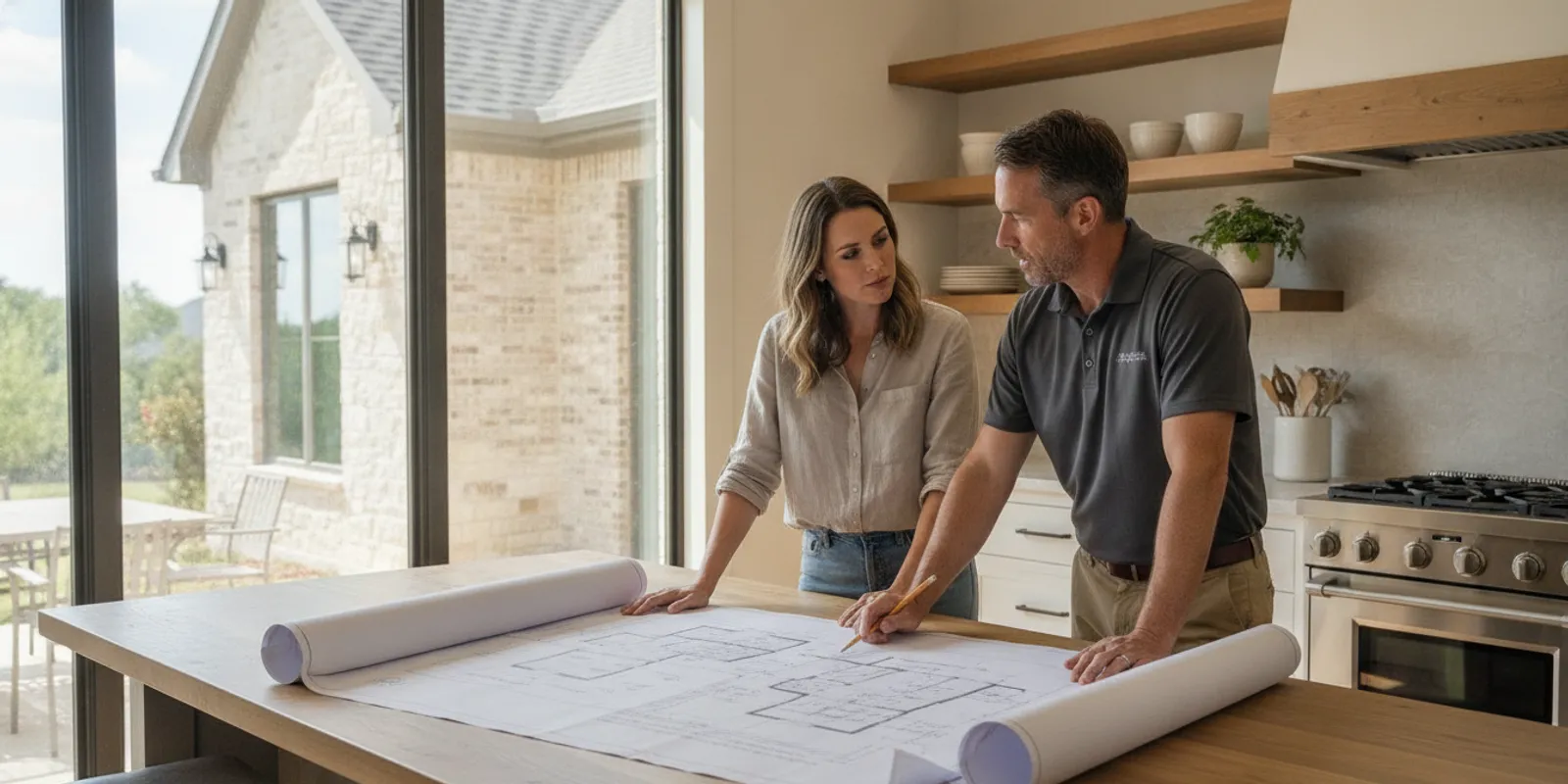
Choosing a residential remodeling contractor is not just a search for someone who can do the work. It is a decision about project scope, communication, scheduling, and who will take responsibility for coordinating the job. For Texas homeowners, a clear process makes it easier to compare options without assuming every contractor offers the same services or handles each project the same way.
What should you decide before contacting a contractor?
Begin with the outcome you want, not a contractor’s preferred solution. Write down what is not working, what you hope will change, and which parts of the property may be affected. A request such as “improve the outdoor living area” leaves many possible interpretations. It could involve a patio upgrade, an expanded patio, or another scope entirely. A short written brief gives each contractor a more consistent starting point.
Separate firm requirements from preferences. A requirement might be that the finished space connects to a particular door or leaves a walkway clear. A preference might be a certain appearance or a desired finish. Marking the difference helps you discuss alternatives if a preferred detail does not fit the project.
- Describe the problem or goal: Explain what you want to change and why.
- Identify the work area: Note the rooms, exterior areas, or building elements under consideration.
- List constraints: Record access concerns, household routines, pets, or times when work would be disruptive.
- Gather what you already know: Collect existing plans, product information, photos, and relevant prior proposals.
- Write down open questions: Identify decisions you need help evaluating rather than pretending they are settled.
Photos can help explain the current condition and the desired result, but they do not replace a site review when the project needs one. Do not assume a contractor can determine the full scope from a few images. Ask what the contractor needs to see before preparing a meaningful proposal.
It helps to make a simple project brief that fits on one page. Start with the address or area of the home involved, a short description of the goal, and a list of the questions that matter most. For example: “We want a patio that is easier to use from the back door; we are unsure whether to expand the existing area; we need to keep the side-yard route accessible.” This does not dictate a construction method. It gives each person the same starting facts and makes it easier to spot when a proposal answers a different question.
Keep observations separate from conclusions. “There is water pooling near the edge after rain” is an observation; “the patio needs a new drainage system” is a proposed solution. Sharing what you see without presuming the fix lets the contractor evaluate the condition and explain what additional investigation may be needed. Note when a problem occurs, whether it is constant or occasional, and any prior work you know about. This context can make a first conversation more useful without turning your notes into a technical diagnosis.
How do you find a contractor whose work fits the project?
Start by matching the contractor’s documented services to the work you want done. A company may handle one type of residential project but not another. Ask directly whether the requested scope is within its current service offering and what parts, if any, would be handled by another provider. Do not rely on a broad label such as “remodeling” to settle those questions.
One Real Roofer and Construction describes residential remodeling and patio upgrades among its services, alongside roofing and other construction support. Its services overview is a useful starting point for understanding the categories it advertises. Confirm the precise project scope and responsibilities directly; a list of service categories does not establish that every possible task, product, or inclusion is offered.
When considering any contractor, ask about experience with the specific type and scale of work you have in mind. Ask how the company approaches planning, who will be your point of contact, and how construction coordination works. Avoid treating a polished website, a general service description, or a verbal assurance as a substitute for clear project details.
You can also ask for examples of comparable work, if available, and what those examples can and cannot tell you. A project that looks similar in a photo may have a different structure, site condition, or scope. The value is in understanding the contractor’s process and how it will apply to your project—not assuming that another homeowner’s result guarantees yours.
When evaluating examples, ask what made the projects comparable. Was the work similar in size, location, existing condition, or desired use? Did the example include the same kinds of coordination you expect? A photo can show appearance, but it rarely answers questions about what was included, how changes were handled, or which responsibilities belonged to the contractor. Use examples as conversation starters, then evaluate the proposal for your own property.
It is also reasonable to ask who is responsible for each step between agreeing on a project and completing it. In a relationship-led project approach, sales guidance and construction responsibility may be assigned differently from one company to another. Ask who will explain the scope, who will manage construction, and how information moves between those stages. The answer should describe the actual process rather than relying on a broad promise of assistance.
What should you ask during an initial conversation?
Use the first discussion to test whether the contractor understands the request and is willing to define the work carefully. A useful conversation should clarify what happens next, not pressure you to approve an incomplete scope. Consider asking:
- Which parts of my requested project do you perform?
- What additional site information or decisions do you need before you can define the scope?
- Who will explain the proposal and answer project questions?
- How does the company manage construction once the work is agreed?
- What assumptions are you making about access, existing conditions, materials, or the finished result?
- What items are outside the proposed scope?
- How will changes or newly discovered conditions be discussed?
- What should I prepare before the next step?
Listen for specific answers. “We will figure it out later” may leave important responsibilities unresolved. A contractor may not be able to answer every technical question before reviewing the property, but should be able to explain what information is missing and how it will be addressed.
Write down the answers, then send a short follow-up message if an important point remains unclear. That creates a shared record of what you understood and gives the contractor a chance to correct any mismatch before the proposal stage.
For a more organized conversation, sort your questions into three groups: scope, process, and decisions. Scope questions establish what work is being considered and what is not. Process questions cover the point of contact, construction oversight, and how updates are shared. Decision questions identify selections or approvals that may be needed from you. This grouping helps prevent the discussion from becoming a long list of unrelated details and makes it easier to see whether a contractor has answered the central questions.
Ask for clarification when a word can mean more than one thing. “Prepare,” “install,” “finish,” and “coordinate” may sound straightforward, but the exact task or responsibility should be clear in the proposal. If the contractor says a detail depends on a site review, note that it is open rather than treating it as settled. Then ask when it can be clarified and whether the proposal will be updated before approval.
How can you compare remodeling proposals fairly?
Do not compare proposals by the final number alone. First check whether they describe the same work. Two totals cannot be meaningfully compared if one proposal includes a defined set of tasks and the other relies on broad phrases or leaves key decisions open.
Review each proposal for the same basic elements:
- Project description: Does it explain the intended result and the areas involved?
- Included work: Are tasks and deliverables described clearly enough to understand what is covered?
- Materials and selections: Are product types or selection responsibilities defined, or are they still undecided?
- Exclusions: Does the proposal name work that is not included?
- Assumptions: Does it explain what existing conditions or access it assumes?
- Coordination: Is it clear who manages the construction process and communicates updates?
- Schedule information: Does it distinguish a planning estimate from a confirmed start or completion commitment?
- Change process: Does it explain how a proposed scope change will be reviewed and documented?
- Commercial terms: Are the agreed payment and contract terms written down and understandable?
If a proposal is vague, ask for clarification in writing rather than filling in the blanks yourself. For example, ask what the phrase “complete patio work” includes, which selections remain open, and whether the proposal covers related work that you consider essential. Ask each contractor the same questions where possible, so you can assess comparable answers.
Price is one part of the decision, but the lowest total is not automatically the best fit. Consider whether the scope addresses your actual goal, whether responsibilities are understandable, and whether you have confidence in the communication process. If two proposals differ substantially, identify what differs before deciding. A lower number may reflect a narrower scope, different assumptions, or an unresolved item; confirm rather than guess.
A practical way to compare is to create a side-by-side worksheet. Use one row for each project element, such as site preparation, the primary work, material selections, cleanup, and any related work you regard as essential. In each contractor’s column, write “included,” “excluded,” “unclear,” or the specific explanation given. Do not infer inclusion simply because an item appears necessary to you. The worksheet is not a substitute for the agreement; it is a tool for identifying questions that need an answer before you decide.
For example, imagine two patio proposals with different totals. One names the defined work area and lists preparation and finish details, while the other describes a “patio upgrade” without identifying the extent of work or decisions that remain. The first may be easier to assess, but that does not by itself establish that it is the right choice. Ask the second contractor to clarify the missing items and ask the first about any exclusions. Once both descriptions are clear, compare the scope, assumptions, timing, and written terms alongside the totals.
Keep a record of proposal revisions. If a contractor answers a question by changing the scope, make sure you have the updated document, not only the original proposal and a separate verbal explanation. Label versions by date and remove outdated copies from the set you use to decide. This simple step helps avoid confusion about which assumptions and selections were current when you approved the work.
A project involving roofing should be evaluated as a defined roofing scope, not treated as interchangeable with general remodeling. If your plans include a roof replacement, review the factors that can shape a roof replacement proposal separately. For a roof concern that needs evaluation first, this roof inspection checklist explains what to ask about that distinct part of the project.
How can you assess communication and project ownership?
Communication is part of the project, not a courtesy to consider after signing. Before choosing a contractor, understand how you will receive information and how questions will be resolved. A responsive conversation during the selection stage is useful, but it does not by itself establish what communication will look like during construction. Ask for the process and responsibilities in specific terms.
Clarify who your regular point of contact will be and whether that person will remain involved as the work moves from planning to construction. Ask how to share a concern, how the company records decisions, and how you will learn when a choice or response is needed from you. If more than one person participates, find out who is accountable for keeping the information consistent. The goal is not to demand a particular reporting format; it is to know where project questions go and what happens after you raise one.
Also ask what the contractor means by managing the construction. That phrase can describe different levels of involvement. Ask which coordination responsibilities are included, how progress is communicated, and what remains your responsibility. For a project involving several separate tasks or providers, ask who coordinates the sequence and how gaps between scopes are identified. Do not assume that one party is responsible for work that is not named in the agreement.
Listen for a willingness to explain uncertainty. Remodeling work may require decisions as conditions or selections are clarified, but no one should treat an unanswered question as if it were already agreed. Ask how the contractor will flag an issue, explain possible next steps, and document your decision. If the answer is simply “we will handle it,” ask what that means in practice and whether it changes the written scope or terms.
You can make the process easier on both sides by setting expectations for your own participation. Identify the person authorized to make decisions for the household, agree how time-sensitive questions will be handled, and keep project documents together. If you have a preference about when to receive updates, raise it before work starts. These steps do not control every project development, but they reduce the chance that important information is scattered across informal conversations.
Consider setting up a single place for project records before work begins. Keep the current proposal, agreement, selection notes, change approvals, and important messages together, whether in a paper folder or a digital location. Use a short written recap after a conversation if it included a decision, a new question, or a change in expectations. The point is not to create unnecessary paperwork; it is to make it easier for everyone to refer to the same information later.
When a question arises, make it actionable. State the issue, explain what decision or clarification you need, and ask who will respond and by when if timing matters. For instance, “The proposal refers to a finish selection that we have not made. Please confirm when we need to choose it and whether the scope or schedule depends on that choice.” A precise question is more likely to produce a useful answer than a general request to “keep us updated.”
How should you plan the project timeline and household impact?
Ask the contractor to explain the sequence of work and what could affect the schedule. A calendar date is useful only when you understand whether it is an anticipated window, a scheduled start, or a contractual commitment. Weather, material selections, site conditions, and coordination needs may affect planning, but the contractor should explain which factors are relevant to your specific project rather than offering a generic promise.
Before work begins, discuss how the project could affect daily routines. Ask about the areas that may be accessed, how materials and tools will be brought to the work area, what parts of the property may be unavailable, and how questions will be handled during construction. The right preparation depends on the project, so avoid assuming that every remodeling job follows the same sequence.
For an outdoor project, clarify how the planned work connects to the house and the existing yard. Consider access, circulation, intended use, and any features you still need to choose. One Real’s Texas patio planning guide can help organize questions about an outdoor project before you discuss its scope with a contractor.
Ask what decisions are needed from you and by when. A homeowner may need to make selections or confirm details before work can proceed, but the specific decisions depend on the proposal. Request a clear way to communicate questions and changes. If the project includes several coordinated tasks, ask who is responsible for keeping those tasks aligned. Do not assume that a contractor’s role includes every form of project oversight unless the agreement says so.
A basic timeline conversation can cover four stages: what must happen before work can be scheduled, what the contractor expects to do first, which decisions or dependencies may affect later steps, and how you will be told if the plan changes. Ask whether the dates are fixed or tentative and what action, if any, is needed from you. If you are living in the home during the work, also ask which access routes or areas could be affected and whether any household preparation is expected. Keep the answer specific to the work rather than assuming every project creates the same disruption.
Plan for the decisions you can anticipate without locking in choices prematurely. A list might include finish preferences, access arrangements, household contact person, and any periods when work would conflict with important routines. Mark each item as decided, pending, or not applicable. Review the list with the contractor so it can be reconciled with the actual proposal. This makes it less likely that a preference is mistaken for a final selection or that a necessary decision is overlooked.
What should the written agreement make clear?
Before approving work, read the written agreement alongside the proposal and any referenced documents. Check that the written scope matches what you discussed. If there is a mismatch, ask for correction before relying on a verbal explanation.
Look for clarity on the parties, work description, materials or selection process, exclusions, schedule terms, payment terms, and how changes will be handled. Confirm which documents form part of the agreement and how updates will be recorded. Keep copies of the signed documents and later written changes in one place.
Do not sign a document with important blank fields or language you do not understand. Ask for an explanation and take the time needed to review it. If a term has significant financial or legal consequences, consider getting independent professional advice. This guide is general planning information, not legal advice, and it does not replace review of the contract that applies to your project.
It can also help to distinguish an estimate or proposal from a final agreement. A proposal helps define and evaluate a possible scope; the contract sets out what the parties have agreed to do. Ask the contractor which document controls if details differ, and request that the final version resolve inconsistencies.
Read the change language with the same care as the original scope. Projects can prompt a request to add, remove, or revise work, so you should understand how that request is raised, described, priced if relevant, and approved before proceeding. Ask whether a change must be documented in a signed form, a revised proposal, or another written method. The important point is that both sides can identify what changed and what terms apply after the change.
Do not treat an informal discussion as automatic approval. If a new condition or preference is raised during construction, ask what options are available, how each option affects the agreed work, and what decision is needed from you. Make sure the answer is recorded in the manner described by your agreement. This protects clarity for both parties without presuming how a particular construction issue should be resolved.
What if the project involves a roof or an insurance claim?
A home project may involve more than one type of work, but keep each scope and responsibility clear. If roofing work is part of the plan, ask what roofing tasks are included and how they relate to the rest of the project. Do not assume that a remodeling proposal includes roof work, or that a roofing proposal covers unrelated improvements.
If you are discussing an insurance claim, keep the contractor’s role precise. One Real can help discuss the claim process and prepare or discuss contractor estimates. A contractor should not be described as filing a claim for the policyholder, negotiating a settlement, acting as a public adjuster, or waiving or absorbing a deductible. For general context, the California Residential Remodeling/Renovation Market Study examines factors that influence remodeling decisions. It is California-specific research, not a Texas project-cost, insurance, or building-code guide.
For roof-related questions, use resources written for that specific decision rather than treating roofing as a generic remodeling detail. You can review One Real’s guide to roof flashing for background on that roof component, then ask the contractor how any roof-related work is described in your own project documents.
Keep insurance paperwork and construction paperwork organized as related but distinct records. An estimate describes proposed contractor work; insurance coverage and claim decisions involve the policyholder and insurer. If you need help understanding the contractor estimate or discussing the claim process, ask exactly what assistance is available and what remains your responsibility. Do not assume that an estimate guarantees a coverage decision or that the contractor controls the insurer’s determination.
If a project includes both roof work and another improvement, ask whether they are being proposed together or as separate scopes. Separate descriptions can make it easier to see which work relates to which part of the property, who is responsible, and what decisions remain. If one part depends on another, ask how that relationship is documented. Clear separation does not mean the work cannot be coordinated; it means the responsibilities should be understandable.
What mistakes can make contractor selection harder?
- Starting with a vague request: Contractors may respond to different interpretations. Write down the goal and the known constraints first.
- Assuming every contractor offers the same work: Verify the exact services and responsibilities for your project.
- Comparing totals without matching scopes: Resolve differences in included work, exclusions, and assumptions before judging proposals.
- Relying on verbal details: Ask for important scope, schedule, and change terms in the written documents.
- Treating a projected schedule as a guarantee: Ask what the dates mean and what conditions could change them.
- Choosing before asking about communication: Know who will answer questions and how updates will be shared.
- Letting an unresolved decision stay hidden: Identify open selections or dependencies before signing.
- Combining separate audiences or project paths: Keep homeowner project questions focused on the property work and its agreement.
Another common problem is trying to resolve every project detail before a site review, then treating early assumptions as settled facts. You can prepare a useful brief without pretending to know what is hidden or uncertain. Mark what you know, what you want, and what needs the contractor’s review. That makes the conversation more productive and gives you a better basis for evaluating the answer.
A related mistake is letting an impressive presentation stand in for a defined agreement. A confident explanation may help you understand the process, but you still need to know what the proposal includes, what it excludes, and how changes will be handled. Likewise, a detailed document is not automatically a good fit if it does not address your actual goal. Evaluate both the communication and the written scope.
It is also easy to overfocus on details that are visible while overlooking dependencies. A finish selection may receive attention because it is easy to picture, while access, sequencing, or an unresolved scope boundary receives less. Review the project from start to finish: what must be decided, what work is proposed, what could affect the sequence, and how completion will be communicated. Ask the contractor to identify uncertainties rather than assuming you have anticipated all of them.
What should you take away when choosing a residential remodeling contractor?
A good selection process starts with a well-defined goal and ends with a written scope you understand. Check that the contractor’s stated services fit the work, ask who manages construction and communication, and compare proposals line by line before looking at the totals. Confirm the schedule terms, open decisions, exclusions, and change process in writing.
For a Texas home project, the useful next step is not to assume that a general remodeling label answers every question. Share the project goal, confirm the exact service and responsibilities, and ask for the information needed to make a considered decision. One Real Roofer and Construction describes residential remodeling and patio upgrades among its offerings; the exact fit for a project should be discussed directly.
Frequently Asked Questions
What should I give a residential remodeling contractor before asking for a proposal?
Share a brief description of the goal, the areas involved, photos or plans you already have, known constraints, and the decisions you have not made. Ask what additional information or site review is needed before the scope can be defined.
How many remodeling proposals should I compare?
There is no single number that fits every project. Focus on obtaining proposals that describe comparable work and answer the same questions. A proposal that does not define the requested scope is difficult to compare, regardless of how many totals you collect.
Should the lowest proposal determine my choice?
No. First confirm that the proposals cover the same work and account for the same assumptions. Then consider scope clarity, exclusions, communication, schedule terms, and the written change process alongside the total.
Does hiring a remodeling contractor mean every part of the project is included?
No. Services and responsibilities vary. Ask which work is included, what is excluded, whether another provider will be involved, and how any related tasks are coordinated. Rely on the written scope rather than the broad project label.
Can a contractor file or negotiate my property insurance claim?
Do not assume that a contractor can do those things. One Real’s role is to help discuss the claim process and prepare or discuss contractor estimates, not to file a claim for the policyholder or negotiate a settlement. Clarify any insurance-related assistance before proceeding.
Careful questions and a clear written scope help you choose a contractor based on the work your home actually needs, not on assumptions about what a label or proposal includes.