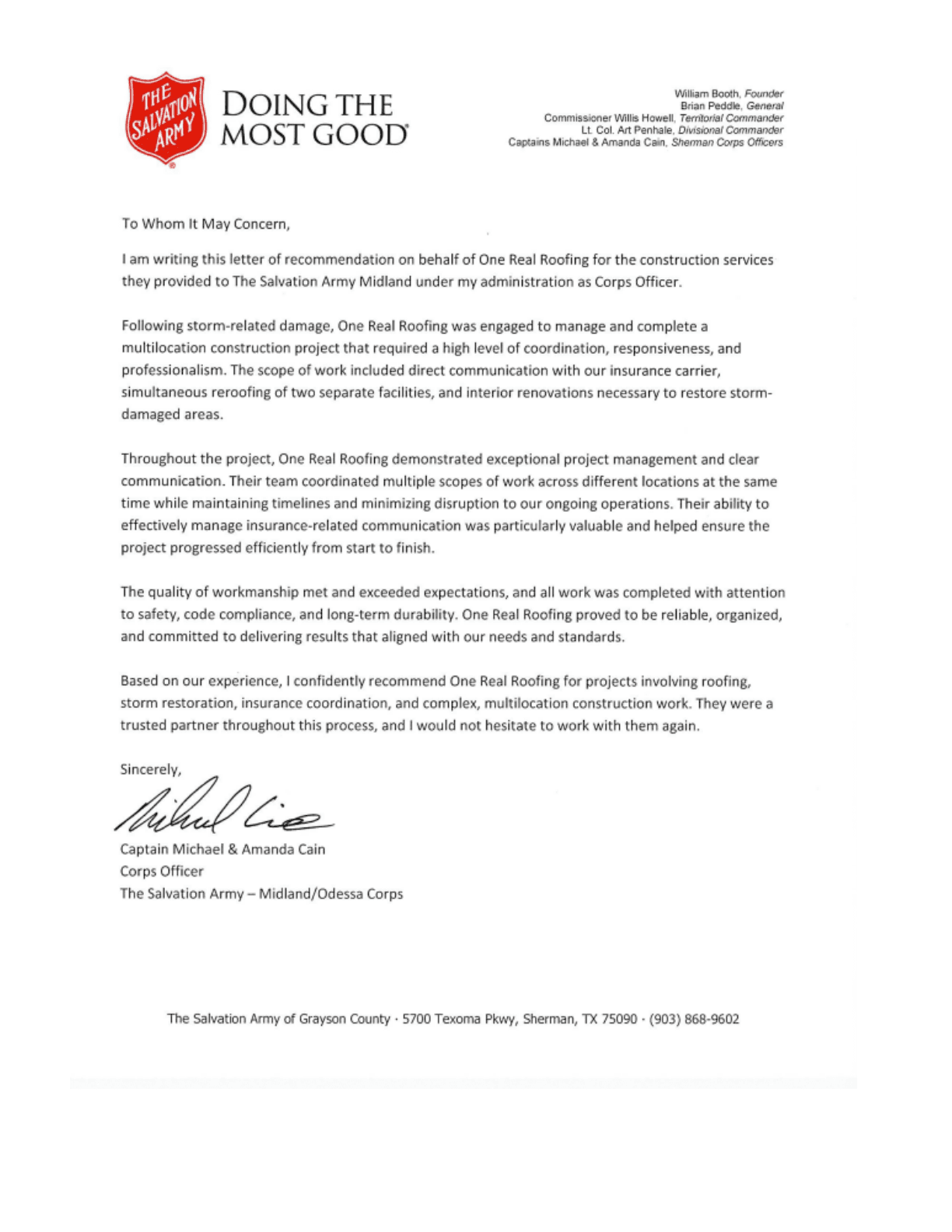
The Salvation Army · Midland, Texas
“One Real Roofing demonstrated exceptional project management and clear communication.”
Water intrusion, fire damage, or mold can disrupt your home or business without warning. Call now to discuss the damage, immediate priorities, and the next step toward restoring your property.
Call for restoration Take a closer look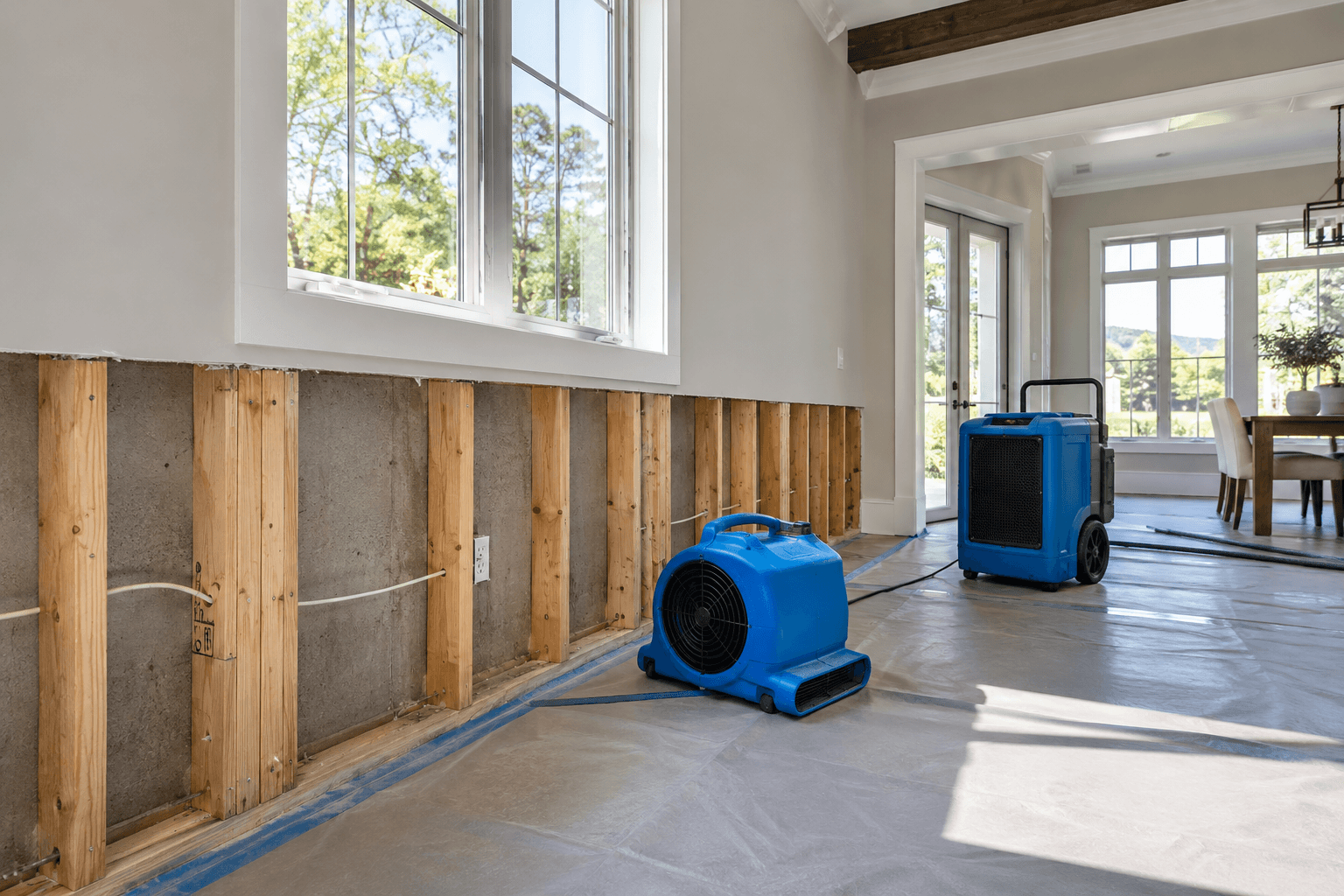
Damage can spread through materials and into adjoining rooms. Tell us what happened so we can discuss what needs attention first.
A roof leak, plumbing failure, or storm can leave more than a visible stain. Wet walls, ceilings, flooring, and insulation need attention, along with the source of the water. We discuss affected materials, moisture assessment, drying needs, and the repairs needed to restore the space.
Tell us whether water is still entering and which rooms are affected.After a fire, damage can extend beyond the burned area. Smoke residue, odors, and water used to extinguish the fire can affect nearby finishes and materials. Once the space is safe to access, we can discuss the cleanup, material removal, and reconstruction your property may need.
Share which areas were affected and whether access has been cleared.Visible growth, musty odors, or a stain that keeps returning can point to an unresolved moisture problem. A review should consider the moisture source and affected materials before a restoration scope is agreed. Painting over a mark alone does not address the conditions behind it.
Describe the visible area, any odors, and the history of leaks or dampness.Each property needs its own assessment. The extent of damage, required work, and availability are confirmed through that review.
Water can travel behind a wall, beneath flooring, or into insulation. A dry-looking surface may leave affected materials out of sight.
Restoration starts with understanding the source and extent of the damage. Moisture assessment, drying needs, and the condition of surrounding materials help shape the repair plan.
Understand the damage. Agree the work. Restore the space.
Tell us the property location, the type of damage, and whether the situation is still developing. We will discuss availability and the next step for your property.
A property review helps establish the source, extent of damage, moisture conditions, and access needs. Further specialist assessment may be needed depending on the situation.
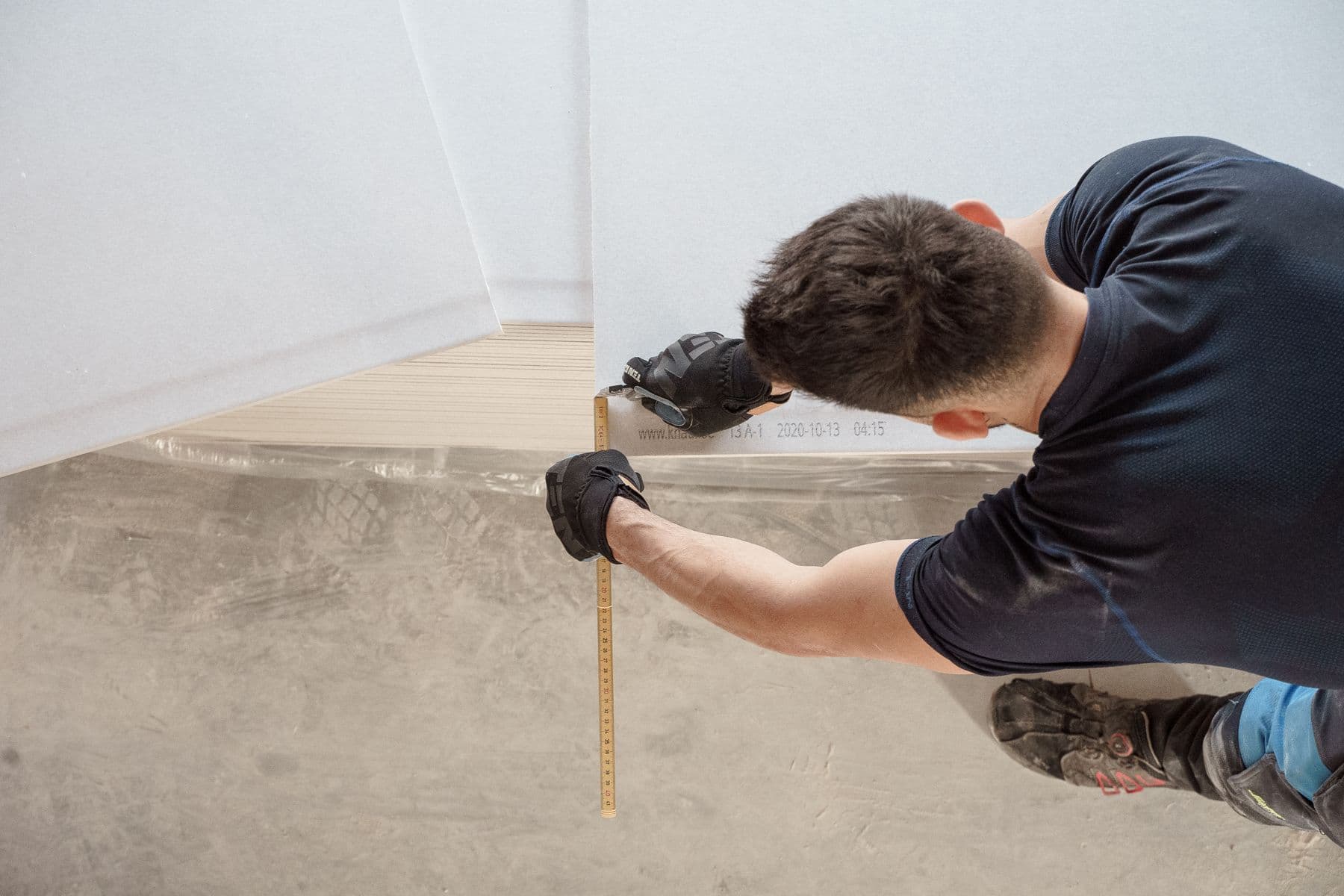
Discuss source repairs, drying, cleanup, affected material removal, and rebuilding as appropriate. Confirm the proposed work, schedule, and costs before work begins.
Coordinate the agreed work around the property and its occupants. Address moisture conditions before replacing finishes, and clarify any remaining repairs or follow-up needs.
Restoration affects the people who live and work in a space. Clear access, sensible sequencing, and communication help you understand what to expect while repairs are underway.
A few practical answers to help you take the next step.
Ask another questionIf there is an active fire, immediate danger, or an unsafe structure, contact emergency services first. Once everyone is safe, call us with the property location and what has happened so we can discuss availability and next steps.
Contact us to discuss water intrusion and wet materials, fire or smoke affected spaces, and visible mold or recurring moisture. The assessment and agreed scope determine the work needed, including any specialist support.
Yes. Drying or replacing finishes without addressing ongoing water intrusion can leave the same problem behind. A restoration plan should consider the source of moisture as well as the affected materials.
Have the property location, a short account of what happened, and the affected rooms ready. Photos taken from a safe location, previous repair details, and existing reports can help explain the damage.
Tell us who uses the space, access restrictions, and the areas that need to remain available. Occupancy, containment, and sequencing depend on the damage and the agreed work; some affected areas may need to be kept out of use.
“One Real Roofing demonstrated exceptional project management and clear communication.”
Call with what happened and where.
Let?s discuss the next step.