Roof Inspection Services: What to Expect
Learn what roof inspection services cover, when to schedule one, and how findings guide repair or replacement planning in Texas.
eknickell0Oct 59 min read
Updated: 4 minutes ago
A roof can look fine from the ground while flashing gaps, storm damage, or moisture problems develop out of sight. For homeowners and commercial property owners, professional roof inspection services create a clearer starting point before a small concern becomes a larger planning decision.
Schedule a roof inspection with One Real Roofing and Construction.
Roof inspection services review visible roof conditions and related warning signs, such as damaged shingles or metal, flashing concerns, ceiling stains, and evidence of water intrusion. The findings can help clarify whether the next conversation should focus on maintenance, repair, or longer-term replacement planning.
The exact process depends on the property, roof system, reason for the inspection, and conditions that can be safely observed. A useful appointment should connect what was seen with what needs attention next. One Real Roofing and Construction advertises a free roof inspection. Availability and the specific scope should be confirmed directly for the property rather than assumed.
What Do Roof Inspection Services Cover?
A roof inspection is an organized review of visible roof conditions and related areas that may reveal moisture, storm damage, or components that need further attention. It is not simply a quick look at the most obvious shingle or leak. The inspection conversation should help a property owner understand what was observed, where it was found, and what information is still needed before planning work.
Roof surfaces and visible material condition
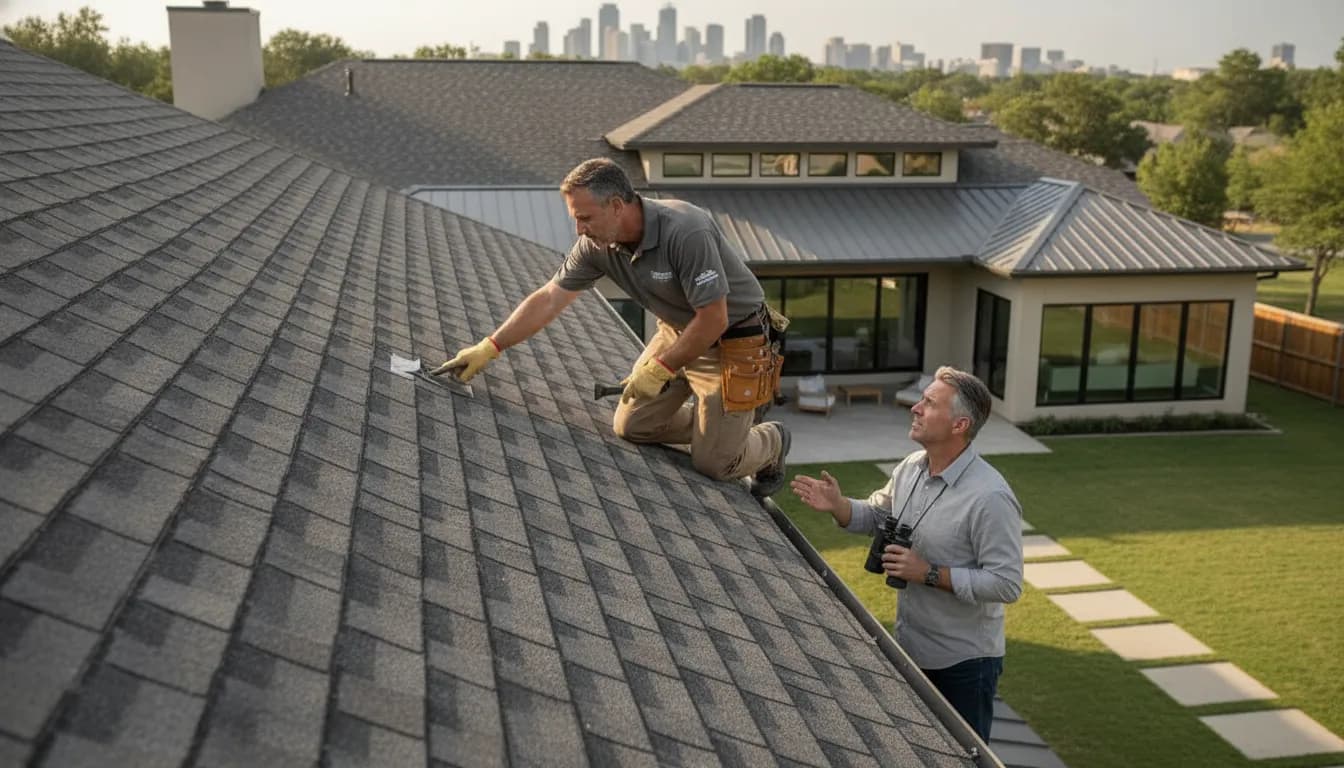
An inspection may begin with the roof surface. Depending on the property, the reviewer may look for missing, damaged, displaced, or visibly worn roofing materials. On asphalt shingles, that can include lifted or missing shingles, damaged edges, exposed areas, or patterns that suggest weather impact. On metal roofing, visible fastener or panel concerns may warrant closer attention. Other roof systems have their own components and failure points.
Surface observations should be considered alongside the roof's age, prior repairs, recent weather, drainage, and the reason the owner requested the inspection. A single visible defect does not automatically establish the full cause or the right repair. It is more useful to document the location and condition, then connect it to the broader roof system.
Flashing, penetrations, and drainage areas
Flashing helps direct water away from vulnerable joints and roof penetrations. Areas around chimneys, skylights, walls, vents, and other projections can deserve focused attention because gaps, cracks, displaced materials, or deteriorated seals may create a path for water intrusion. Valleys, edges, gutters, and drainage paths can also affect how water moves across or away from the roof.
When a ceiling stain or leak is reported, the visible interior mark may not be directly below the entry point. Water can travel through roof layers or framing before it becomes noticeable inside. That is why the most useful inspection discussion connects exterior observations with interior symptoms instead of treating each sign in isolation.
Attic, ceiling, and related interior warning signs
Accessible interior areas can provide important clues. Ceiling or attic staining and discoloration may indicate water intrusion. After a storm or roof leak, other warning signs can include sagging, cracks, bulging ceilings, wet insulation, or wet electrical components. Structural concerns such as crushed, split, broken, buckled, twisted, or misaligned rafters and trusses call for caution and appropriate professional guidance.
North Dakota State University storm damage guidance also emphasizes looking beyond the most visible exterior damage. Property owners should avoid entering an unsafe area or disturbing wet electrical components while waiting for qualified help. Procedures vary by property and inspection purpose, so confirm the areas that will be assessed and how findings will be explained before scheduling.
When Should Homeowners Schedule a Roof Inspection?
There is no single calendar date that fits every roof. Homeowners should schedule an inspection when a specific event, visible symptom, or property decision makes the roof condition important to understand. A timely review can help distinguish a localized concern from a broader planning issue.
Common reasons to request an inspection
After severe weather:
Wind, hail, and heavy storms can leave damage that is not immediately obvious from the ground. A post-storm review can look for damaged shingles, loose metal-roofing fasteners, flashing concerns, and evidence of water entry.
When leaks or stains appear:
Ceiling discoloration, attic moisture, sagging, cracks, bulging, or expanding water marks deserve more than cosmetic covering. If water is actively entering the property, address immediate safety concerns and arrange professional help.
Before buying or selling:
An inspection can give a buyer or seller a clearer starting point for discussing the roof's observed condition and possible next steps, especially when maintenance history or prior storm exposure is uncertain.
Before repair or replacement planning:
An inspection can help a property owner understand current observations before committing to a scope, material choice, or larger construction decision.
As part of broader property planning:
A roof assessment may be useful when a homeowner is considering remodeling or when a commercial owner is evaluating a reroof, new-build, or related construction project.
For Texas homeowners and property owners, including those in the Dallas-Fort Worth area, One Real Roofing and Construction invites customers to schedule a roof inspection or discuss a project. The company advertises a free roof inspection, but the applicable scope and availability should be confirmed directly.
How Do Storm Damage and Leaks Change Inspection Priorities?
Storm damage and active leaks move an inspection from routine planning to timely problem assessment. The goal is not to make a repair-or-replacement decision from one symptom. The goal is to identify visible conditions, related interior evidence, and any immediate concern that could affect the next safe step.
Look beyond the most visible damage
After severe weather, visible clues may include missing or damaged asphalt shingles, loose metal-roofing fasteners, displaced flashing, or signs of water entry. Hail can be harder to evaluate reliably. Missing granules, dark impact marks, or newly exposed asphalt may support a conversation, but those observations do not establish insurance coverage or a settlement outcome.
Inside the property, ceiling stains or discoloration can indicate water intrusion. Sagging, cracks, bulging, or expanding water marks deserve prompt attention. In an accessible attic area, wet insulation and wet electrical components are additional concerns. If an area appears unsafe, do not climb onto the roof or disturb wet electrical equipment while waiting for appropriate help.
One Real Roofing and Construction can provide a consultation about the insurance claim process, but that should not be understood as public-adjuster services, claim filing, settlement negotiation, deductible waivers, or a promised insurance result. Property owners should discuss potential damage and policy questions with their insurer's adjuster.
What Should Commercial Property Owners Ask About an Assessment?
Commercial roof planning starts with the building's operating needs, not only a list of visible defects. A warehouse, retail building, office, or other commercial property may need an assessment to support maintenance, a reroof, new construction, or a broader project. The useful questions connect the roof's observed condition and intended use with the next planning step.
Questions that clarify the commercial scope
What concerns should the assessment address?
Share known leaks, interior signs of moisture, storm concerns, drainage observations, tenant issues, or upcoming construction plans. This gives the discussion a practical starting point.
Is this a new-build or reroof project?
The planning conversation can differ depending on whether the roof is being designed for new construction or evaluated for replacement on an existing building. One Real documents commercial roofing support for new-build and reroof projects in Texas.
Which systems or materials should be considered?
Ask how the property and project requirements relate to options such as metal, TPO, modified bitumen, or asphalt shingles. These are documented roofing-system terms, not a promise that one option fits every building.
What was observed, and what needs further review?
Confirm the locations assessed, the conditions observed, the limits of the assessment, and the information needed before planning work.
How could the recommendation affect operations?
Ask how the proposed next step fits the building's use, access, project sequence, and broader construction goals.
One Real's published commercial language describes meeting with customers, discussing concerns, assessing roof needs, and recommending a suitable system or material. Its roofing and construction services page provides additional context on documented commercial and construction offerings. A property owner should confirm the exact assessment scope and any requested documentation before relying on it for a project decision.
How Do Inspection Findings Guide Repair or Replacement Planning?
The best inspection outcome is a clearer decision path, not a predetermined repair or replacement conclusion. Each finding should be connected with its location, likely effect, and the type of work it may require. A property-specific recommendation is more useful when it separates observed facts from open questions and proposed next steps.
Use a three-part inspection-to-decision framework
Confirm the condition:
Record what was observed, where it was found, and whether the condition appears localized or connected to a larger roof-system concern.
Prioritize exposure and safety:
Separate active water intrusion or other immediate concerns from work that can be planned over time. Immediate protection needs do not automatically mean a full replacement is necessary.
Compare the appropriate scope:
If repair and replacement are both being considered, ask what each option addresses, which components are included, what assumptions remain, and what information could change the recommendation.
Inspection finding
Planning question
Possible next discussion
Localized visible damage
Is the concern limited to one area or connected to surrounding components?
Targeted repair, monitoring, or additional assessment.
Active leak or interior moisture
What should be addressed first to reduce further exposure?
Immediate protection followed by a defined repair or replacement scope.
Widespread wear or repeated problem areas
Would repeated repairs address the underlying planning issue?
Compare repair history with longer-term replacement options.
Commercial system or project question
Which material and scope fit the building's use and project sequence?
Discuss a suitable system, reroof or new-build scope, and open information needs.
Material and system fit matter as well. A recommendation may need to account for the property's use, existing construction, environmental conditions, and intended project scope. One Real describes customized recommendations for homeowners and suitable-system recommendations for commercial customers. Documented roofing-system terms include asphalt shingles, metal, TPO, and modified bitumen, but those terms are not a universal eligibility matrix. Ask why a proposed system fits the specific project.
Before authorizing work, request the next-step information in writing, such as the observed conditions, proposed scope, open questions, and decision points. This makes it easier to compare options without treating a preliminary observation as a guaranteed outcome.
What Questions Should You Ask Before Choosing Roof Inspection Services?
Choosing roof inspection services is easier when you know what the appointment is meant to clarify. Before scheduling, ask questions that connect the inspection to your property, your concern, and the decision you may need to make afterward.
What is the purpose of this inspection?
Explain whether you are responding to a leak, recent weather, visible damage, a planned sale, or early project research.
Which areas will be considered?
Ask how the provider approaches the roof and any related areas relevant to your concern. Do not assume every company uses the same checklist or testing method.
How will findings be documented?
Ask what information you will receive after the discussion or assessment. Confirm whether photographs, measurements, or a written report are included rather than assuming a particular format.
What recommendations can you provide?
Ask whether the conversation will distinguish observed concerns from maintenance, repair, or replacement planning.
Do you work with this type of property?
Residential and commercial roofs can involve different planning conversations. Commercial owners can ask about new-build or reroof planning and relevant system options.
What does the stated free offer include?
One Real advertises a free roof inspection. Confirm the scope, any conditions, what findings will be explained, and what services are separate before scheduling.
If insurance is part of the concern, ask what the insurance-process consultation covers. One Real advertises a free consultation about the insurance claim process, but that does not establish claim-filing or settlement-negotiation services. Clear questions at the start help keep the inspection and the next decision aligned.
Frequently Asked Questions
What do roof inspection services include?
Roof inspection services generally review visible roof conditions and related areas that may reveal moisture or storm damage. Depending on the property and inspection purpose, the discussion may include roof surfaces, flashing, visible leaks, ceilings, attic conditions, and other accessible concerns. Exact procedures vary by property and provider, so confirm the intended scope before scheduling.
Are free roof inspections legitimate?
A free inspection can be a stated service offer, but "free" does not mean every later repair, replacement, material, or construction service costs nothing. Ask what areas are included, how findings will be explained, and whether recommendations are optional. One Real Roofing and Construction advertises a free roof inspection, with scope and availability to be confirmed directly.
How much does a typical roof inspection cost?
There is no single inspection price for every property. Cost can depend on building type, roof size and complexity, location, access, storm-related concerns, and the level of documentation requested. Ask for the scope and any fee before scheduling. If you are considering a free offer, confirm exactly what it covers rather than assuming additional services are included.
When should homeowners or commercial owners schedule an inspection?
Request an inspection after severe weather, when you notice a leak or ceiling stain, when other visible concerns appear, or when planning a repair, reroof, sale, purchase, or commercial project. Commercial owners may also seek an assessment when discussing new-build planning, reroofing, or suitable roofing-system options.
Ready to Discuss Your Roof Inspection?
A roof inspection can help clarify what you are seeing and support a practical conversation about repair, replacement, or a residential or commercial roofing project. To schedule a roof inspection or discuss your property and next steps, contact One Real Roofing and Construction.