Roofing Warranties Explained: What to Ask First
Get roofing warranties explained in plain language, from material and labor coverage to exclusions, transfer rules, and questions to ask before signing.
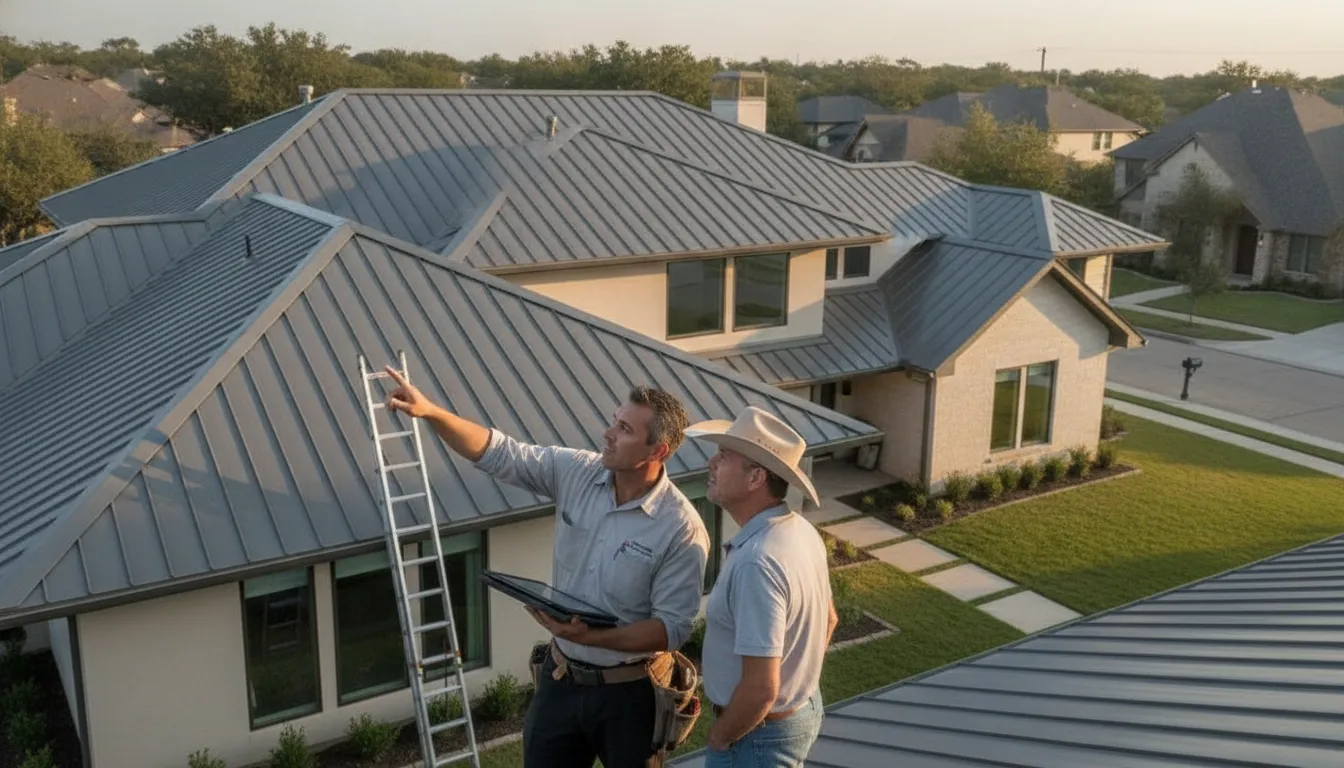
A roof warranty can sound simple until you ask what it protects, who is responsible, and what you must do to keep coverage in force. For a Texas homeowner or commercial property owner, those details matter as much as the project price. A material defect and an installation problem may fall under different terms.
Schedule a free roof inspection or discuss your project or call (817) 677-6822.
Roofing warranties explained clearly should separate material coverage from workmanship coverage, identify exclusions and maintenance duties, and show the steps for requesting service. The word "lifetime" alone does not explain the scope, duration, or enforceability of the promise.
Before signing a proposal, read the warranty alongside the scope of work and ask the responsible provider to confirm anything that is unclear in writing. That careful review starts with understanding what the warranty language means for your specific roof project.
What roofing warranties explained means for your roof project
The practical questions are who responds when something goes wrong and which part of the roof project each warranty covers.
A roofing project can involve separate responsibilities. A manufacturer may address defects in its roofing materials. A contractor may provide terms for workmanship or installation. A broader system warranty, when available, may have its own eligibility requirements and covered components. These categories should not be treated as interchangeable. The written documents should identify the provider, the covered work, exclusions, claim steps, and any conditions that affect eligibility.
The word lifetime also needs context. It does not automatically describe the expected service life of the roof or guarantee every repair. It also does not mean that materials, labor, removal, disposal, storm damage, and installation issues are all handled by the same party. Coverage may depend on the specific system, project documents, and terms supplied by the responsible provider.
For example, One Real Roofing and Construction advertises a Lifetime Labor Warranty. That statement should be read narrowly as a labor-warranty offering. The available customer information does not establish its detailed coverage, exclusions, transferability, or claims process, so a property owner should request and review the actual written terms before approving work. It should not be assumed to cover manufacturer material defects or every type of roofing issue.
Whether you are comparing residential and commercial roofing services in Texas, replacing an asphalt shingle roof, or evaluating a commercial system, ask each responsible party to explain its role in writing. Clear responsibility is more useful than a prominent duration label by itself.
How the three common warranty roles differ
One reason roofing warranties can be confusing is that the word "warranty" may refer to different responsibilities. A material warranty, a workmanship warranty, and an extended system warranty do not necessarily cover the same problem or come from the same provider. The written terms control who is responsible, what work is included, and which conditions apply.
The distinction below is a useful starting point for roofing warranties explained in a proposal or project file. It is not a substitute for reading the actual warranty documents.
| Warranty role | What it generally addresses | What to confirm in writing |
|---|---|---|
| Manufacturer or material | Defects or failures in the roofing material supplied by the manufacturer. This is separate from a claim about how the roof was installed. | The covered product, exclusions, time period, whether coverage changes over time, and the process for presenting a material-related claim. |
| Contractor or workmanship | Installation-related work performed by the roofing contractor. It may address a workmanship issue rather than a defect in the product itself. | The exact labor or installation work covered, the responsible provider, exclusions, maintenance conditions, and steps for requesting correction. |
| System or extended coverage | A broader warranty arrangement that may combine specified materials and installation requirements. Eligibility can depend on the approved system and written conditions. | Required components, installer or registration requirements, covered repairs, transfer rules, exclusions, and any conditions that could limit eligibility. |
These categories can overlap, but one should not be assumed to replace another. Owens Corning's warranty explainer also distinguishes workmanship coverage from standard and extended warranty concepts. Before signing, ask the responsible party to identify which document applies to each part of the project and keep the final terms with your roof records.
What may be covered, and what may be excluded?
A warranty is only as useful as its written scope. A document may address a specific material defect, installation-related problem, or defined labor obligation without covering every issue that appears during the roof's service life. Before work begins, identify which party is responsible for each part of the roof system and ask that the answer be stated in the proposal or warranty documents.
Weather damage is not automatically a warranty issue
Wind, hail, fallen branches, and other weather events may be treated differently from a defect in materials or workmanship. Whether a particular event is covered depends on the actual terms, the condition of the roof, and the cause of the reported problem. Do not assume that a warranty guarantees repair after every storm. Document the concern and ask the responsible warranty provider how that type of damage is handled.
Maintenance and installation conditions matter
Some warranty documents place conditions on maintenance, ventilation, installation methods, or the use of specified components. Those conditions can affect whether a later problem falls within the stated coverage. The available customer information does not establish system-specific maintenance or installation requirements, so those details should be confirmed for the actual project rather than borrowed from a generic roofing explanation.
Installation questions also deserve careful review. A material warranty and a labor or workmanship warranty may involve different providers and different responsibilities. If a problem appears, determine whether it concerns the product, the installation, or another part of the project before assuming who must respond.
Unrelated work may remain outside the document
Roofing warranties generally should not be treated as a promise to cover remodeling, interior damage, drainage changes, structural work, or unrelated repairs unless those obligations are expressly included. One Real Roofing and Construction advertises a Lifetime Labor Warranty, but its detailed coverage, exclusions, transferability, and claim procedures are not established here. Request the current written terms and confirm covered work, exclusions, maintenance expectations, and claim steps with the responsible party.
Which warranty terms should you read before signing?
Before you approve a roofing proposal, read the warranty as carefully as the scope of work. The word "lifetime" does not explain who is responsible, what work is covered, or how a future issue must be handled. A warranty should also be considered separately from the expected service life of the roof. Use this checklist while reviewing the proposal and any attached manufacturer documents:
- Identify the provider. Write down which party issues each warranty: the material manufacturer, the roofing contractor, or another program administrator. Different documents may cover different responsibilities.
- Define the covered work. Look for specific language describing materials, installation, labor, repairs, replacement, or other project components. Do not assume a labor warranty covers material defects, or that a material warranty covers installation errors.
- Interpret duration and "lifetime" wording. Confirm the actual coverage period, when it begins, and whether the document defines "lifetime" in a particular way. Ask whether coverage changes or becomes prorated over time.
- Review exclusions and limits. Check how the warranty treats defective materials, installation problems, removal and disposal, weather-related damage, alterations, and other excluded conditions. If a term is unclear, ask for a written explanation.
- Confirm maintenance requirements. Note required inspections, upkeep, documentation, or approved repairs. Ask what could limit coverage if maintenance is delayed or performed by someone else.
- Ask about transferability. If ownership may change, determine whether the warranty can transfer, whether notice is required, and whether any conditions or deadlines apply. Never rely on a general statement that coverage transfers.
- Understand the claim steps. Identify whom to contact, what evidence is required, how problems are reported, and whether an inspection or written notice is part of the process. Request these instructions before signing.
- Retain the complete record. Keep the signed proposal, warranty documents, product information, invoices, maintenance records, inspection notes, and project photographs together. When discussing a project, a clear roof inspection and project process can help you ask what will be documented before work begins.
Why warranty coverage varies by provider and project
Warranty language depends on more than the name of the roofing material. The provider, installation arrangement, written scope, and project conditions can all shape what a property owner may reasonably expect. That is why roofing warranties explained should be read as a review of specific responsibilities and terms, not as a promise that every roof receives the same protection.
Material and system choices are one source of variation. One Real Roofing and Construction's documented roofing offerings include asphalt shingles, metal, TPO, and modified bitumen. These examples represent different roofing applications and should not be treated as interchangeable. A warranty tied to a particular material or system may identify a different responsible party, scope, or set of conditions than a workmanship warranty. The available customer information does not establish a system-specific warranty matrix, manufacturer brands, or eligibility requirements, so those details should be confirmed in the project documents.
Installation arrangements matter as well. A material provider may address product-related defects, while a contractor's warranty may address defined workmanship responsibilities. If a project uses multiple parties, the proposal and warranty should make clear who stands behind each part of the work. Do not assume that a labor warranty covers materials or manufacturer defects, or that a material warranty covers installation.
Project scope can change the questions that need answers. A residential reroofing project and a commercial roofing project may involve different assemblies, documentation, maintenance expectations, and decision-makers. Repairs, replacements, new construction, and larger commercial work may also have different written scopes. Ask the responsible party to identify the covered work, exclusions, duration language, maintenance conditions, and claim process for this project specifically.
One Real advertises a Lifetime Labor Warranty, but detailed coverage terms, exclusions, transferability, and claims procedures are not established in the available information. Request the actual written terms before relying on the word "lifetime."
Are roofing warranties worth it for your situation?
Usually, a roofing warranty is worth reviewing when it gives you a clear, usable path to address a defined problem. It is not automatically valuable because the document uses words such as "lifetime" or "limited." A warranty does not predict exactly how long a roof will last. Its practical value depends on who is responsible, what work is covered, and what conditions apply.
Start by separating material coverage from workmanship coverage. A manufacturer warranty may address defects in roofing materials, while a contractor warranty may address installation work. Those responsibilities can be different, and one warranty should not be assumed to replace the other. Owens Corning's overview of roofing warranties explained also distinguishes product and workmanship concepts.
Look for terms you can actually use
A warranty is more useful when the written document identifies the provider, covered work, exclusions, duration language, maintenance expectations, and claim steps. Confirm whether you must notify someone within a particular process, provide inspection records, or keep project documents. Ask how transferability works if the property changes ownership. If those details are unclear, ask the responsible party to explain them in writing before work begins.
For One Real Roofing and Construction, the documented offer is a Lifetime Labor Warranty. The available customer information does not establish its detailed scope, exclusions, transferability, maintenance requirements, or claims procedure. That does not make the offer meaningless, but it does mean the written terms should control your decision. Request the actual warranty, compare it with the contract, and keep both with your roof records.
The best answer is therefore personal: a warranty may be worthwhile when its obligations match your project and you can follow the claim process. If the scope is vague or responsibility is difficult to identify, resolve those questions before approving the work.
What to ask before you approve the work
Before you sign a proposal, ask questions that make responsibility clear. The goal is not to choose a warranty because it uses an impressive word. The goal is to understand who stands behind which part of the project and what you must do if a problem appears.
- Who provides each warranty? Ask whether the commitment comes from the material manufacturer, the roofing contractor, or another program administrator. Request the actual document, not only a summary in a sales conversation.
- What work is covered? Ask whether the language applies to labor, roofing materials, installation errors, or a defined system. Confirm what is outside the scope, including any conditions related to maintenance, weather, ventilation, or later alterations.
- What does the duration mean? A stated period may not describe the roof's expected service life or guarantee every future repair. Ask whether coverage changes over time and whether any conditions must remain satisfied.
- What happens if the property changes hands? Transferability should be confirmed in writing. Ask whether notice, registration, fees, or a specific deadline applies.
- How do you make a claim? Get the contact method, required records, inspection process, response steps, and responsibility for related costs. Keep the signed proposal, invoices, product information, completion records, and warranty documents together.
One Real Roofing and Construction advertises a Lifetime Labor Warranty. That statement should not be read as material coverage or a guaranteed outcome. If you are considering its residential and commercial roofing services, ask for the written terms and confirm the actual coverage, exclusions, transferability, and claims steps before approval.
Contact One Real Roofing to discuss your project and bring your warranty questions.
Frequently Asked Questions
How does a warranty on a roof work?
A roof warranty assigns responsibility for certain problems under stated conditions. A material or manufacturer warranty may address defects in the roofing product, while a contractor workmanship warranty addresses installation-related work. Some projects may also offer broader system coverage with additional requirements. Read the actual document to confirm what is covered, who is responsible, how long the terms apply, and how to request service.
Does a roof warranty guarantee how long the roof will last?
No. A warranty is a written coverage agreement, not a promise that the roof will remain in service for a particular number of years. Performance can depend on the roofing system, installation, weather exposure, maintenance, and project conditions. Treat the warranty period and the roof's expected service life as separate questions.
What should I check before signing a roofing warranty?
Confirm the provider, covered work, start date, duration language, exclusions, maintenance requirements, transfer rules, and claim procedure. Ask whether labor, materials, removal, disposal, or related repairs are treated separately. Keep the signed warranty, proposal, invoices, product information, inspection records, and maintenance documentation together.
Does One Real Roofing and Construction offer a lifetime warranty?
The company advertises a Lifetime Labor Warranty. That statement should not be interpreted as coverage for manufacturer defects, roofing materials, or every type of work. Before approving a project, request the current written terms and ask the responsible party to explain the covered labor, exclusions, transferability, and claim steps for your specific project.
Ready to discuss your roofing warranty questions?
A clear conversation before work begins can help you understand which terms apply to your roof, project scope, and responsibilities. Schedule a free roof inspection or discuss a roofing or construction project with One Real Roofing and Construction, and bring the warranty language you are reviewing. Contact One Real Roofing to get started.