Roof Repair vs Replacement: How to Think Through the Decision
Compare roof repair vs replacement by looking at damage, age, recurring issues, materials and project goals. Learn what to ask at an inspection.
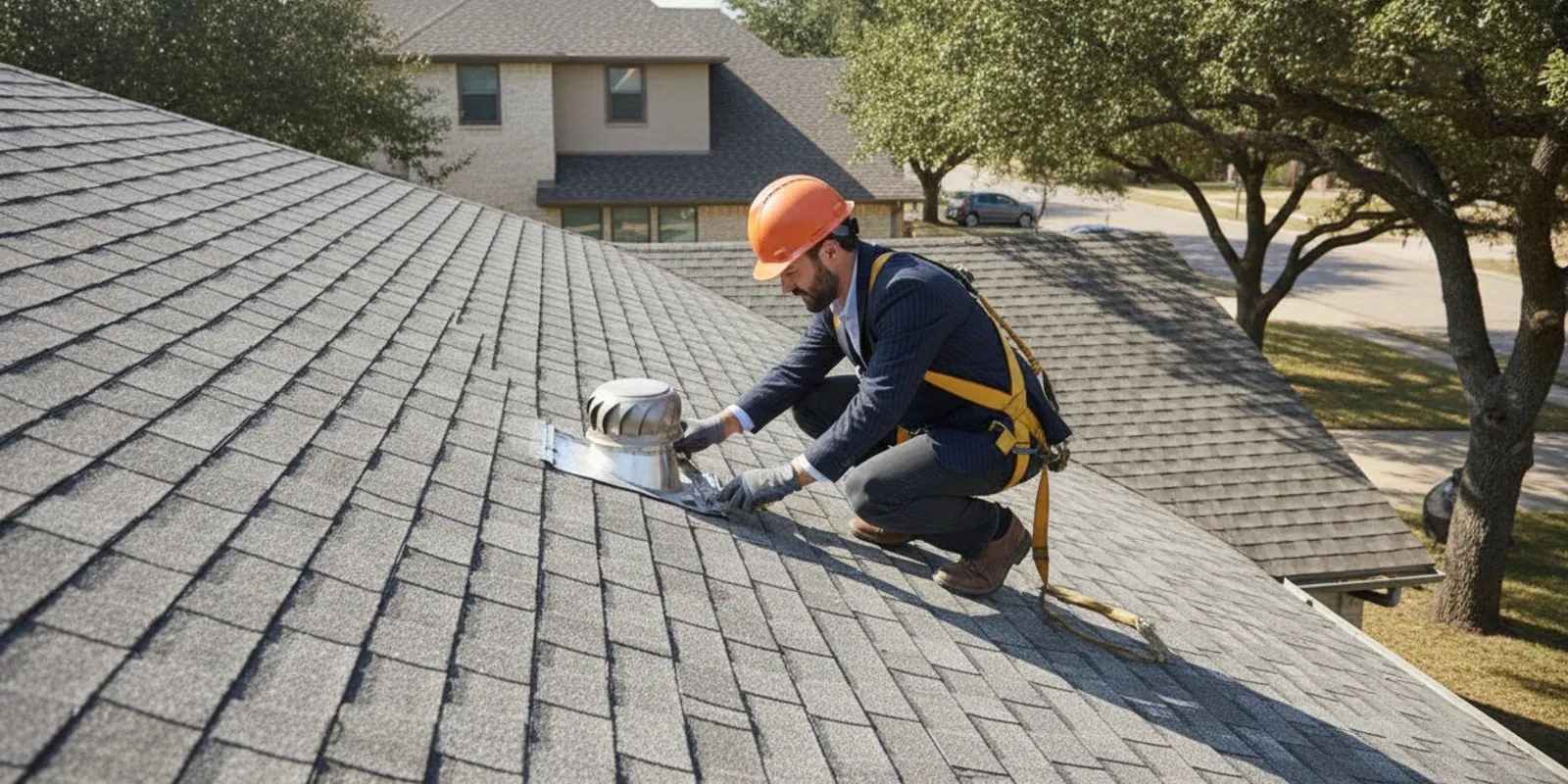
When weighing roof repair vs replacement, the right answer depends on more than one leak or a roof's age. The extent and location of damage, the overall condition, repair history, roofing material and your plans for the property all matter. A careful inspection can help you understand the options, but no article can diagnose your roof remotely.
What does the decision between repair and replacement involve?
A repair addresses a defined problem while leaving most of the existing roof system in place. Depending on what an inspection finds, that may mean replacing or correcting a limited area of roofing, flashing or another component. A replacement removes and renews a larger portion or all of the roof system. The precise scope depends on the property, roofing material and project proposal.
Neither option is automatically the better choice. A small, isolated issue on a roof that is otherwise in serviceable condition may call for a limited repair. Widespread damage, deterioration in several areas, or problems that keep returning may lead to a conversation about replacement. Those are decision clues, not a remote diagnosis or a promise that one scope will solve every concern.
It also helps to separate three questions that are often mixed together:
- What is happening now? Identify the reported symptoms and the areas an inspector can examine.
- What work is being recommended? Ask what the proposed scope addresses, and what it does not address.
- What outcome do you need? Consider immediate protection, future project plans, disruption and the time horizon for the property.
Keep those questions distinct as you read an inspection report or proposal. A recommendation should connect observed conditions to a specific scope of work rather than treating a roof's age alone as a complete explanation.
A practical way to begin is to write down the decision you are trying to make, not the answer you expect to hear. For example, a homeowner might ask, “What work is needed to address the reported water entry, and what condition remains elsewhere?” A property manager might ask, “Which scope addresses the observed concerns while accounting for building use and planned work?” Those questions invite a clear explanation of the evidence and the limits of the recommendation.
How should you assess the extent of the damage?
Start with how much of the roof appears affected and whether the issue is confined to one area or shows up in several locations. A single reported leak does not prove the damage is limited to one spot; water can travel before it becomes visible indoors. Likewise, one damaged shingle or surface mark does not by itself establish that a whole roof needs replacement. The actual condition needs to be assessed on the property.
Make a simple record before the inspection. Note when you first noticed a leak or other concern, which rooms or areas are affected, whether the issue changes after rain or wind, and whether it has happened before. Take photos from safe, accessible locations, such as inside the home or at ground level. Do not climb onto the roof to investigate. Keep the record factual: describe what you see without labeling it as a particular kind of damage.
For a more useful record, separate observations from assumptions. “A brown mark appeared on the upstairs ceiling after rain on Tuesday” is more helpful than “the roof is failing.” Note whether the mark grew, whether it appeared in a new place, and whether you have seen it before. If you can safely take a photo from the same position on different days, label the dates. A simple timeline helps an inspector understand what changed without suggesting a cause you cannot confirm.
During an inspection, ask the roofer to explain the locations and extent of the observed concerns. Helpful questions include:
- Which areas did you inspect, and were any areas inaccessible?
- What conditions did you observe, and where?
- Does the proposed repair address one identified area or several?
- Are there signs of related concerns beyond the visible symptom?
- What could not be determined during this inspection?
If a proposal recommends broad work based on a limited set of observations, ask how the evidence supports that scope. If a localized repair is recommended, ask whether there are other conditions that could affect the result. Clear answers help you understand the reasoning without assuming that every issue can be seen from a single viewpoint.
Try to connect each finding to its location and proposed action. A concise explanation might identify a specific area, describe the observed condition, state which component would be addressed and explain any area that was not accessible. Ask whether photos or notes can accompany the written proposal. This makes it easier to compare recommendations later and reduces the chance that different people are discussing different locations or symptoms. If a concern involves an edge, joint or roof opening, One Real's guide to roof flashing locations and leak clues offers useful terminology to discuss during an inspection.
How do roof condition and age fit into the choice?
Age is context, not a stand-alone verdict. Two roofs of the same age can be in different condition because they may have different materials, installation details, exposure, maintenance histories or prior repairs. A newer roof can have a localized problem. An older roof may still have areas that merit closer assessment before deciding on a larger project.
Look at age alongside condition. Ask whether the observed concerns are isolated or distributed across the roof, whether the materials appear to be functioning as expected, and whether several components or areas have issues. The roof's past maintenance and repair record can also provide useful context. If you do not know the installation date or product details, say so rather than guessing; a professional may be able to explain what can and cannot be established from an inspection.
When estimating age, treat paperwork as a clue rather than proof of present condition. A closing document, older invoice or previous owner's note may indicate when some work was done, but it may not describe every layer, later repair or current condition. If the records conflict, tell the inspector what you have and ask what can be verified. Avoid basing a large decision on a date that is uncertain.
One way to frame the conversation is to ask what the roof's condition means for each option:
- If you repair: Which specific conditions are being addressed, and what parts of the existing roof remain?
- If you replace: What findings make a broader scope appropriate now?
- If you defer a decision: What should you monitor, and when should you seek another assessment?
These questions are more useful than a universal age cutoff. There is no single age at which every roof must be replaced, and an age estimate by itself cannot establish the scope a particular property needs.
What can recurring problems tell you?
A repeated leak or repair need is worth discussing in context. Recurrence can mean the original issue was not fully resolved, another component is involved, or a separate concern has developed. It does not automatically prove that replacement is necessary. Ask the inspector to compare the current finding with the history you provide and explain whether the same location or a different one is involved.
Gather any available paperwork, invoices, inspection notes and photos from earlier work. A short timeline can be enough: approximate date, reported location, work completed and what happened afterward. If you do not have documentation, describe your recollection as an estimate. This helps avoid treating uncertain details as established facts.
When a concern has returned after a repair, ask:
- Is the present symptom in the same area as the previous one?
- Can you explain what the earlier work appears to have addressed?
- What is the current proposed scope, and how is it different?
- What follow-up should I expect if the symptom returns?
- Are there limits to what the inspection can confirm today?
A proposal should be specific enough for you to understand what work is included. Ask for the repair location, relevant materials or components, and any exclusions to be written down. If the proposal is for replacement, ask what existing conditions will be addressed through the broader scope and what items are separate. Do not assume that a roof replacement includes unrelated repairs or interior work unless the written scope says so.
Recurring symptoms are also a reason to check whether the description of the proposed work matches the previous work. If an earlier invoice says that one area was repaired, ask whether the current recommendation concerns that same area, an adjacent transition or a different part of the system. The inspector may not be able to establish exactly what a past contractor did, especially without records, but distinguishing known facts from open questions is still useful.
For background on how a roof inspection may be organized, see this guide to what a roof inspection includes. Use it to prepare questions, not as a substitute for an on-site evaluation of your property.
How do roofing materials affect the options?
Materials influence how a roof is assembled, inspected and repaired. Asphalt shingles, metal, TPO and modified bitumen do not use identical details or repair approaches. Roof slope, drainage, transitions and existing system construction can also affect what work is feasible. A repair that is appropriate for one system is not automatically transferable to another.
Ask the roofer to identify the existing material and explain how it informs the recommendation. If a repair is proposed, ask whether the replacement material will match the existing system and what differences, if any, you should expect in appearance or performance. If the exact material or product cannot be identified, have that uncertainty stated rather than assuming a particular specification.
For shingle roofs, ask what area is proposed for repair and whether the surrounding materials or transitions affect the work. A patch should be described by its limits; it should not be treated as equivalent to renewing the entire roof. If appearance matters, ask whether a close match is expected and what could affect the finished look. These are planning questions, not a guarantee that every existing product can be matched exactly.
For a broader look at one common residential option, One Real's guide to types of metal roofing outlines choices to discuss when planning a metal roofing project. It is useful background, but it does not establish which material is right for a specific house or whether an existing roof should be repaired.
For commercial properties, identify the existing assembly and the building's use before comparing scopes. A commercial roof may use a membrane system such as TPO or modified bitumen, and the details of a repair or reroof can differ from residential shingle work. Ask how the proposal accounts for drainage, penetrations, transitions and continued building use. For more context, see the guide to commercial flat roofing systems and planning.
On a commercial roof, request that the recommendation identify the areas or system components being addressed, not just the general system name. Ask how access, tenant activity, equipment and drainage are considered in the project plan. A building owner may also want to know whether the proposed work is a localized repair, a larger section of reroofing or a full replacement, and what assumptions underlie that boundary. The right scope depends on the conditions observed and the building's needs.
How should project goals shape the decision?
The right scope depends partly on what you want the work to accomplish. A homeowner focused on addressing a current problem may evaluate a repair differently from someone planning a major renovation. A commercial property owner may need to consider building use, coordination with other work and how project activity fits the property's operations. Share those priorities so the inspection and proposal can address them.
Think through these project considerations:
- Time horizon: How long do you expect to own or use the property? This does not determine the answer, but it gives context for discussing the scope.
- Other planned work: Are remodeling, patio improvements, solar planning or other projects under consideration? Coordination may affect timing and sequencing.
- Disruption: What access, noise, scheduling or building-use needs should be considered?
- Material preferences: Do appearance, system type or compatibility with existing construction matter to your plans?
- Decision timing: Is there a known deadline, or can you take time to review the inspection findings and compare written scopes?
Turn these priorities into practical questions rather than treating them as reasons to choose a particular scope. If you plan to sell or renovate, ask what aspects of the roof decision should be documented for the next project. If you expect to stay for years, ask what each recommendation addresses and what remains outside the scope. For a business, identify any dates when access or normal operations are especially important, then ask how the project sequence can be discussed in light of those constraints.
If you are considering solar, coordinate the roof conversation with that project rather than treating the decisions as unrelated. The U.S. Department of Energy notes that replacing a roof can be a good time to add solar; that is a planning consideration, not a recommendation that every property needs solar or a roof replacement. Read its article, Replacing Your Roof? It's a Great Time to Add Solar, for that specific point.
For projects involving more than roofing, clarify which items are part of the roof scope and which require separate planning. One Real's documented offerings include pre-construction consulting, scope consulting, construction consulting and short-term project management. A conversation about a project can help establish what support is relevant; do not assume that every service applies to every roofing job.
How can you compare a repair proposal with a replacement proposal?
Compare the reasoning and the defined work, not only the labels at the top of the page. One proposal might describe a repair and another a broader replacement, but the useful comparison is what each one says about observed conditions, included work, exclusions and follow-up. Ask each provider to explain the basis for its recommendation in plain language.
Review these items side by side:
- Inspection findings: Are the observed areas and conditions described clearly?
- Scope: Which locations and components are included? Is the proposal limited to a defined repair or does it cover a broader roof area?
- Materials: Are the material type and relevant specifications identified, where known?
- Exclusions: What work is not included? Are there conditions that could change the scope?
- Project sequence: What are the expected stages of the work, and what decisions remain open?
- Documentation: What inspection notes, photos or written explanations support the recommendation?
Do not compare a limited repair price with a full replacement price as if they purchase the same outcome. Instead, ask what each scope is intended to address, what remains outside its boundaries and what uncertainties remain. If the recommendations differ substantially, ask both providers to explain the difference or seek another inspection. A second opinion is most useful when the provider can review the property independently and describe the basis for its recommendation.
You can make a simple comparison sheet with one row for each concern and a column for each proposal. Record the condition described, location, proposed action, materials identified, exclusions and unanswered questions. Mark items as “included,” “not included” or “unclear” rather than filling gaps with assumptions. For example, if one proposal describes a localized repair and another describes replacement, note whether both identify the same observed condition and whether one addresses additional areas. This does not make the scopes equivalent, but it exposes the differences you need explained.
Ask for clarification in writing when a term is vague. “Repair roof” may not tell you the location or component involved. “Replace roof” may not tell you what portions, layers or related work are included. The proposal should give enough detail for you to understand the work being considered, its boundaries and any conditions that could affect the plan. If the provider cannot answer a question during the visit, ask when and how the information will be confirmed. One Real's guide on comparing roof replacement companies in Texas also outlines questions to use when evaluating providers.
For a broader consumer perspective when considering roof replacement, see the Montgomery County Office of Consumer Protection's roof replacement advice. It is a Maryland resource, so use it as general background rather than Texas-specific guidance.
What should you know about insurance-related discussions?
If weather or another event may be involved, keep the discussion factual. Record what you noticed and when, retain relevant documents, and contact your insurer directly for questions about your policy, deadlines or coverage. A roofing contractor can discuss observed conditions and provide a project estimate, but should not be represented as a public adjuster or as someone who can guarantee an insurance decision.
Do not assume that a repair or replacement will be covered, or that an inspection automatically creates an insurance claim. Coverage depends on the policy and the insurer's assessment. Avoid promises about settlement amounts, claim approval or deductible arrangements. If you are unsure what the policy requires, ask the insurer or a qualified insurance professional. For One Real's stated approach to project and insurance-process conversations, keep the discussion focused on technical information and the work being considered.
For your own records, keep dates, photographs, prior repair documents and communications together. Make a note of questions you need to direct to the insurer, such as what the policy says about reporting, documentation or next steps. Keep those policy questions separate from the roofer's observations about physical conditions and proposed construction work. This distinction can help you get answers from the appropriate source without assuming that a project recommendation determines insurance coverage.
What questions should you ask at the inspection?
A useful inspection conversation gives you enough information to understand the reasoning without overstating what can be known in one visit. Bring your notes and ask for the findings and recommendation in a form you can review afterward.
- What did you observe, and where on the roof?
- Which parts of the roof were accessible for inspection?
- What factors lead you to recommend repair or replacement?
- What alternative scope could be considered, and what would it address?
- What parts of the existing roof remain if I choose the repair?
- What is excluded from the proposed work?
- Are material or product details known, or do they need confirmation?
- What should I monitor, and what signs would warrant another assessment?
- Can I review the findings and written proposal before deciding?
Take time to review the answers. A clear recommendation should explain the connection between observed conditions and proposed work. If you cannot tell what is included, ask for clarification before making a decision.
Before the appointment, gather the basic information that can save time: when the concern began, what areas are affected, whether earlier work was done and any records you can locate. During the conversation, write down the specific terms you do not understand and ask for plain-language explanations. Afterward, review your notes alongside the written scope. If a verbal explanation and the proposal appear different, ask which description controls and request that the scope be clarified.
A practical next-step sequence is: document the symptoms safely, arrange an inspection, review the findings, ask about repair and replacement scopes where appropriate, then compare the written explanations. You do not need to decide solely during the inspection visit. If there is an active concern, ask what immediate steps the professional recommends for protecting the property and what work is proposed to address the cause; do not assume that a temporary measure is a permanent repair.
What mistakes can make the decision harder?
Several common shortcuts can obscure the actual choice:
- Deciding by age alone. Age is useful context, but it does not describe the condition or the work needed.
- Assuming one symptom tells the whole story. A visible leak or surface issue should be evaluated alongside the rest of the roof.
- Assuming replacement is always safer. A larger scope should be supported by findings and a clear explanation.
- Assuming repair is always enough. A narrow repair may not address broader conditions if they are present.
- Comparing only a headline price. Different scopes do not cover the same work or address the same findings.
- Relying on a verbal summary. Written scope and exclusions make it easier to understand what was proposed.
- Climbing onto the roof to check it yourself. Use safe observations and let a qualified professional assess roof surfaces.
Another avoidable mistake is treating a broad label as a complete recommendation. Ask for the reason behind the scope and what the provider actually observed. If two contractors use different descriptions, compare their locations and proposed actions rather than assuming they disagree about the same condition. Use a written list of questions to keep the conversation focused and make follow-up easier.
If an inspection identifies a weather-related concern, you can also review this storm damage roof repair guide for Texas property owners for general planning context. It does not determine whether your own roof needs a repair or replacement.
What should you take away about roof repair vs replacement?
The decision should follow the evidence from the property: the extent of the concern, overall condition, age in context, history of recurring problems, material and project goals. No single symptom, age range or rule applies to every roof. An inspection and a clearly written proposal can help you understand the work being recommended and compare appropriate options.
Discuss your roof project with One Real
Before choosing a scope, make sure you understand what was observed, what the proposed work includes and what questions remain about your property's roof.